Obangsaek: 4 redenen waarom Koreaans eten zo kleurrijk en gezond is
door Alex Boyce
Is het je ooit opgevallen hoe kleurrijk Koreaans eten is? Van het levendige rood van kimchi tot de felgroene groenten en witte rijst: de Koreaanse keuken is niet alleen een lust voor de buik, maar ook voor het oog. Maar er zit een oude filosofie achter deze schoonheid, Obangsaek (오방색) genaamd, en deze heeft de Koreaanse keuken eeuwenlang geleid.
Wat is Obangsaek?
Obangsaek vertaalt naar "vijf kardinale kleuren" en verwijst naar het traditionele Koreaanse kleurenspectrum: wit (백), zwart (흑), rood (적), geel (황) en blauwgroen (청). Deze kleuren zijn niet willekeurig gekozen. De kleuren zijn geworteld in de Oosterse filosofie, verbonden met de vijf elementen (hout, vuur, aarde, metaal, water) en de principes van yin en yang.
In de Koreaanse cultuur vertegenwoordigen deze vijf kleuren balans en harmonie, niet alleen in kunst en design, maar ook in eten. Het idee is eenvoudig en toch interessant: een maaltijd die alle vijf de kleuren bevat, is een gebalanceerde maaltijd, zowel voedingswaarde als energetisch.
De regenboog op je bord
Laten we eens kijken wat elke kleur bijdraagt aan de Koreaanse keuken:
Wit (백) is de basis. Bijvoorbeeld gestoomde rijst, radijs, tofu, knoflook en uien. Witte voedingsmiddelen worden als kalmerend beschouwd en vertegenwoordigen puurheid in de Koreaanse traditie.
Zwart (흑) voegt diepte en aardse tonen toe. Zeewier, zwarte sesamzaadjes en champignons vallen in deze categorie. Deze ingrediënten zijn rijk aan mineralen en brengen umami-smaken in gerechten.
Rood (적) brengt de hitte! Dit is waar onze geliefde gochugaru (Koreaanse chilivlokken) en gochujang (chilipasta) schitteren. Rode ingrediënten zijn energiek en, laten we eerlijk zijn, maken alles spannender.
Geel (황) zorgt voor warmte en zoetheid. Eigeel, zoete aardappelen, pompoen en sojabonen vertegenwoordigen deze kleur. Gele voedingsmiddelen worden geassocieerd met aardenergie en een gezonde spijsvertering.
Blauwgroen (청) biedt frisheid en vitaliteit. Bladgroenten, komkommer, spinazie en lente-uitjes brengen leven in elke maaltijd. Deze ingrediënten zijn verkoelend en zitten boordevol voedingsstoffen.

Meer dan alleen mooi eten
Het genie van Obangsaek is niet alleen esthetisch. Het is voedingswijsheid vermomd als traditie. Wanneer je een maaltijd creëert met alle vijf de kleuren, neem je van nature een breed scala aan voedingsstoffen, vitaminen en mineralen op. Je brengt warm en koud in balans, zorgt voor variatie in smaken en texturen, en creëert gerechten die al je zintuigen bevredigen.
Elke kleurgroep biedt verschillende voedingsstoffen, antioxidanten en gezondheidsvoordelen.
Obangsaek in de dagelijkse Koreaanse keuken
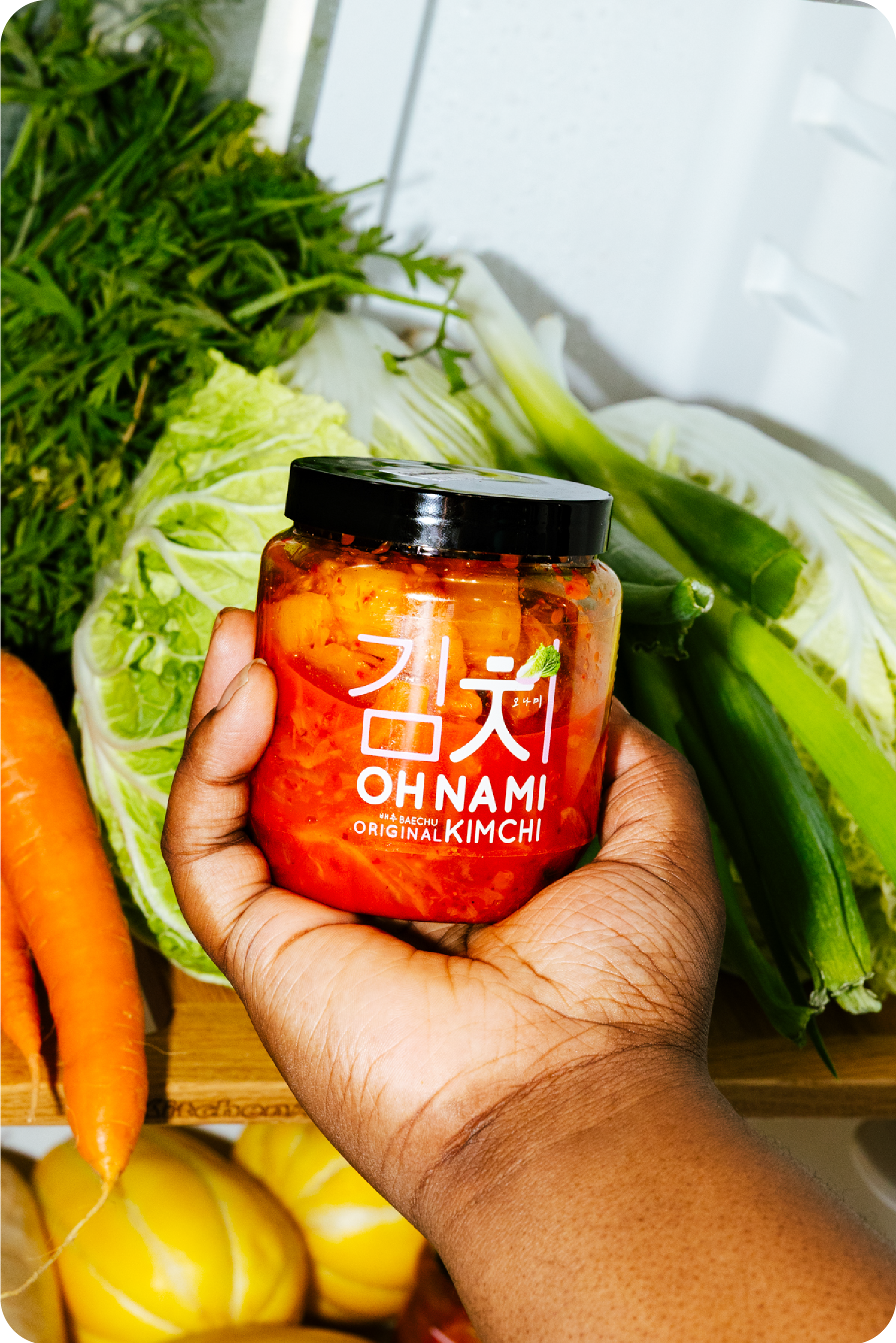
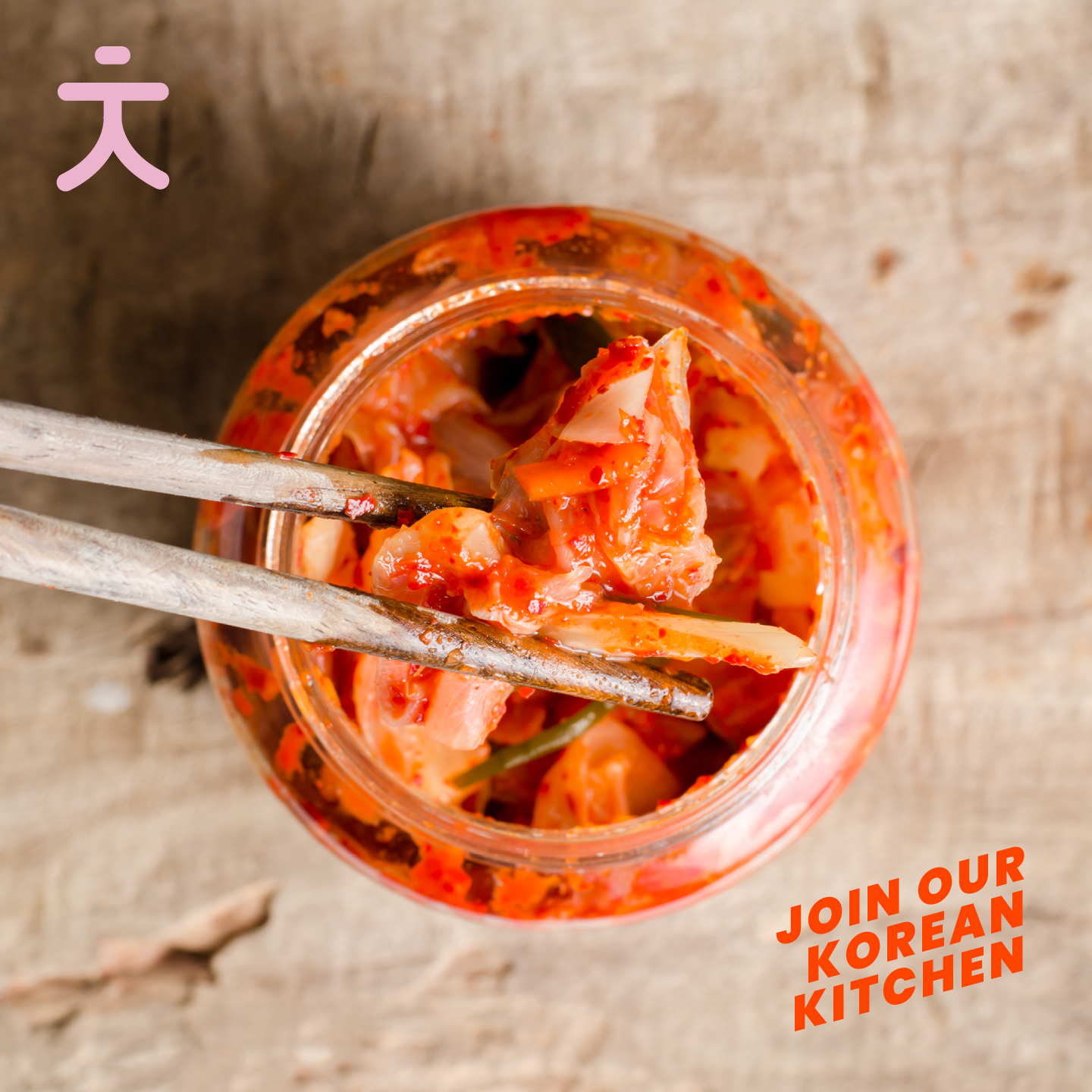
Je kunt de Obangsaek-principes in actie zien in traditionele Koreaanse gerechten. Kimchi belichaamt deze balans op natuurlijke wijze: levendig rood van gochugaru, frisgroen van kool en lente-uitjes, met witte knoflook die diepte toevoegt.
Hetzelfde geldt voor klassiekers zoals bibimbap, waar elk kleurrijk ingrediënt zijn plaats en doel heeft. Wanneer je deze vijf kleuren in Koreaans eten begint op te merken, realiseer je je dat het op natuurlijke wijze verweven is in de werking van de Koreaanse keuken.
Balans op je tafel brengen
Denk de volgende keer dat je een Koreaanse maaltijd bereidt aan Obangsaek. Zijn alle vijf de kleuren aanwezig? Het hoeft niet ingewikkeld te zijn. Een eenvoudige kom rijst (wit) met kimchi (rood en groen), een gebakken ei (geel) en een snufje geroosterd zeewier (zwart) maakt het af.
Dat is de schoonheid van Koreaans eten: het vereist geen uitgebreide recepten of moeilijk te vinden ingrediënten. Het gaat erom bewust te zijn en jezelf te voeden met het volledige spectrum van wat de natuur te bieden heeft.
Laten we eens kijken hoe creatief je kunt zijn en wat je kunt creëren met de Obangsaek bouwstenen!