Korean Pickled Wild Garlic (Maneul Jangajji)
By Alex Boyce
0 comments
Korean Pickled Wild Garlic (Maneul Jangajji)
Wild, tangy, and packed with umami, Korean Pickled Wild Garlic (Maneul Jangajji) is one of our favorite homemade Korean side dishes. It's incredibly easy to make and only gets better with time. Add it to rice bowls, grilled meats, sandwiches, or enjoy it straight from the jar. Just be sure to make a double batch: it disappears fast!
Ingredients
- 60 ml water
- 150 ml soy sauce
- 80 ml vinegar
- 80 g sugar
- Enough wild garlic to fill a sterilized jar
- 1–2 dried Korean chili peppers (gochu)
Preparation
- Wash the wild garlic thoroughly and allow it to dry completely. Excess water can dilute the brine and reduce its shelf life.
- In a small saucepan, bring the water to a boil. Add the soy sauce, vinegar, and sugar, stirring until the sugar has completely dissolved.
- Pack the wild garlic tightly into a clean, sterilized jar together with the dried Korean chili peppers.
- Carefully pour the hot brine over the wild garlic until everything is fully submerged.
- Allow the jar to cool completely before sealing it and placing it in the refrigerator.
- Let the wild garlic pickle for at least one week before serving. The longer it sits, the deeper the flavor becomes.
Serving Suggestions
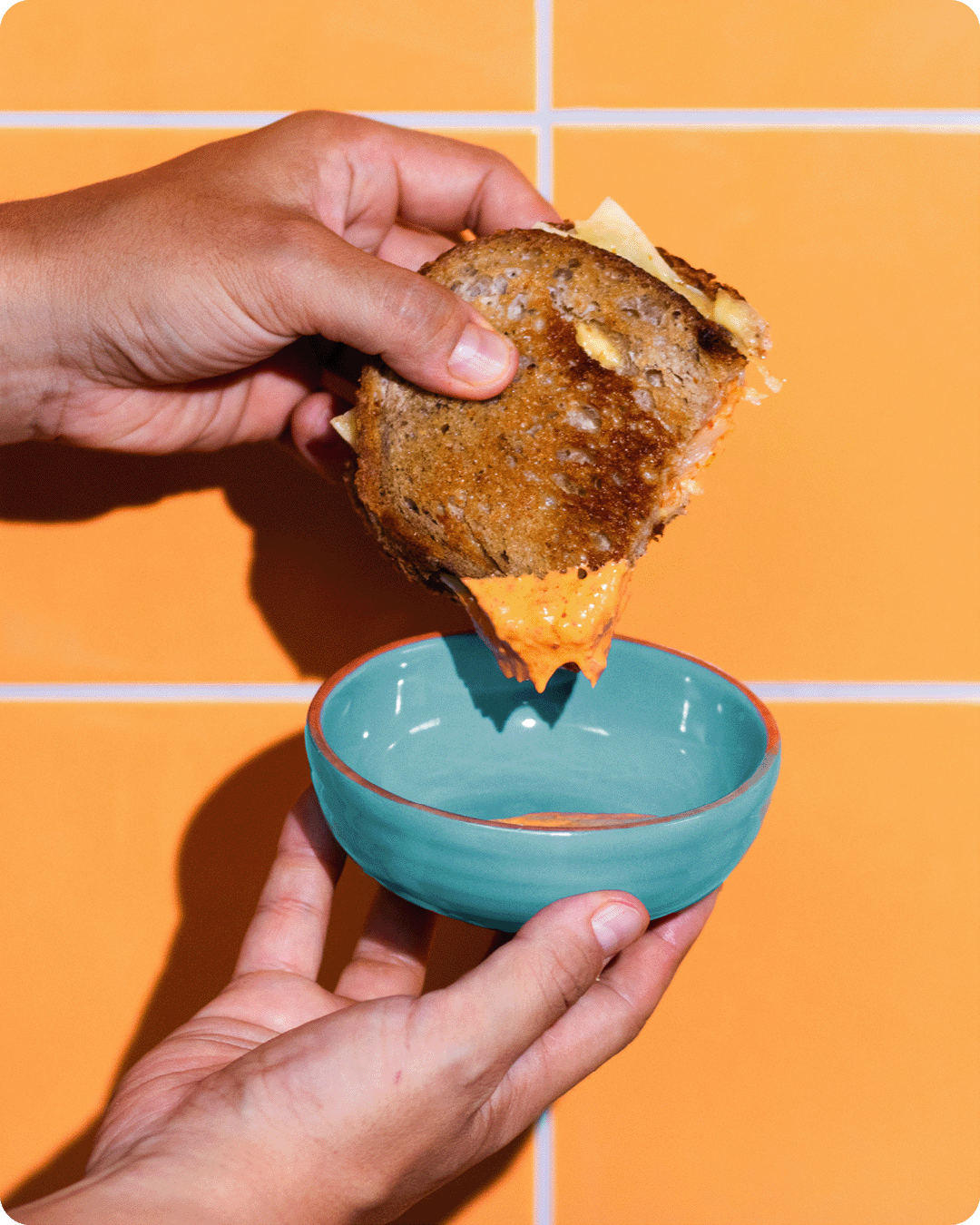
Enjoy Korean Pickled Wild Garlic as a classic Korean banchan (side dish), or serve it with grilled meats, rice bowls, burgers, sandwiches, or charcuterie boards. Its savory, tangy flavor pairs beautifully with rich dishes and BBQ.